
本篇文章给大家谈谈从咸阳到德国FBA货运方式有哪些?对应的知识点,希望对各位有所帮助,不要忘了收藏本站喔。
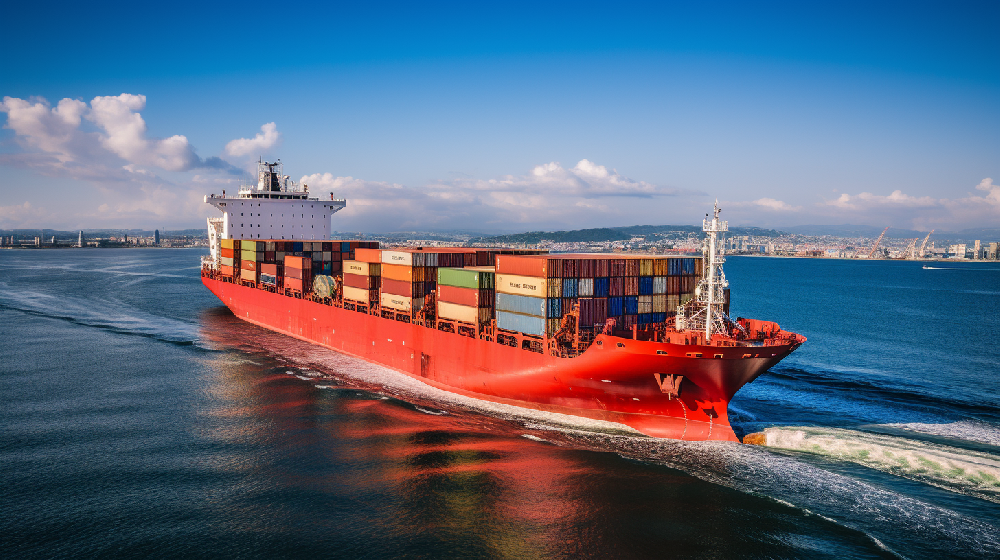
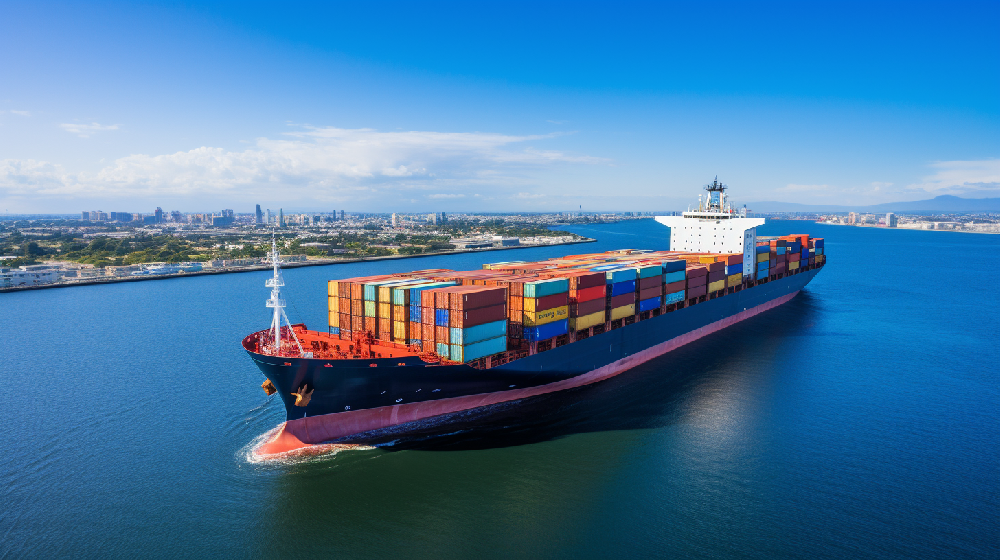
The article should meet many constraints: and tags. No other tags. The big title and subtitles are to be bolded using , no h tags. So I can wrap title in ...some title... 标题 tags. For example: 一、背景与需求 ... But need clarity: "必须设置清晰的从咸标题体系,每个板块有独立小标题,阳到运方核心内容一目了然,德国且每个小标题必须以“一、从咸”“二、阳到运方”“三、德国”“四、”等序列号开头,核心内容一目了然。" So must have separate sections with small title, each start with Chinese number and "、". Use for bold. So each subheading is a small title (the "小标题") which is like "一、选择海运还是空运?" etc. Use bold. So we need to produce HTML using only and . No other tags. So we need to embed everything inside and . This is tricky because typical HTML would have for paragraphs, for bold text. They forbid other tags. This includes perhaps any to separate paragraphs, and to bold sections and headings. Thus the article will be like: 从咸阳到德国FBA货运方式有哪些? (some intro content...) Then for sections: 一、常见运输方式的整体概览 ... content ... 二、海运方式详解 ... content ... 三、空运方式详解 ... content ... 四、选择建议与成本时效对比 ... content ... We could also have a concluding section maybe "五、注意事项" etc. But need to decide the number of sections. There's at least four (like we need a clear title system). The user didn't set a required number; they just said each must start with sequential numbers like "一、", "二、", "三、", "四、". So we can have four sections. The content should be thorough, at least 1000 Chinese characters, which is fairly long. Let's aim for about 1500 characters to be safe. We need to include mention of the company's name (凯琦供应链) and its services and advantages maybe. The user expects based on provided reference, use them. So incorporate relevant details about services: FBA shipping to Europe (German), air and sea options, FBA shipping, overseas warehouse, etc. Also discuss typical shipping routes: from Xi'an (咸阳) - this is in Shaanxi province. Need to think about logistics: Usually, goods from Xi'an go to Chinese ports (e.g., Shanghai, Ningbo, Shenzhen) then ship to Europe. Or use air freight from Xi'an Xianyang International Airport (XIY). However, direct flights to Europe may require transshipment; maybe to Frankfurt, etc. The article should discuss shipping methods: sea freight (full container FCL, less than container LCL), air freight, combined sea+air (e.g., sea to Rotterdam then truck to Germany), rail (China Railway Express, e.g., China-Europe block train). However the user only gave "从咸阳到德国FBA货运方式有哪些?", presumably they want to know shipping options to German FBA warehouses. Possibly "FBA头程物流" can include shipping via air, sea, and rail. The user may also consider "FBA空派" (air cargo), "海派" (sea freight plus last-mile), "铁运" (rail). There are also "快递" like DHL, UPS etc. But likely they'd focus on common: sea freight (整柜/拼柜), air freight (空派), and perhaps combined or railway. We can incorporate some typical cost and transit time: sea shipping takes around 25-35 days to German ports (e.g., Hamburg, Rotterdam) then 2-5 days customs and delivery to FBA仓库; air freight 6-10 days. The reference says "欧美空派:快至6日提取,每日出仓,日均出货量10T+", "欧洲FBA运输:可送达欧洲24国,提供门到门双清包税服务", "北美FBA海运:快至9日达,签收准点率98%". Also "欧洲FBA运输" for Europe is presumably sea+truck maybe. They also mention "整柜拼柜:整柜价格更低,拼柜速度快,支持自主装柜,保舱保柜", "海外仓一件代发". Also mention "时效稳定:快至9日签收,1小时内上门提货,当天到港当天派送;签收准点率超98%,甩柜率低于3%" and "查验率低:实现0丢漏件,查验率低于3%;合作十大清关行,配备30+专业报关团队" and "服务优质:客户满意度超98%,提供1V1客服5分钟内响应;支持超时赔付、丢失包赔". Good. Thus we can incorporate these data: "时效快至6天提取" etc. Must mention that these are examples and actual times depend. The article must not use "客观" and "总结". Must not appear. Avoid using any AI-sounding fluff. Use specific, realistic details. We must also keep language accessible but professional, not use "客观" or "总结". The article's content must be factual and from perspective of Amazon sellers. We'll write a comprehensive article of at least 1000 Chinese characters. We'll not use too many "AI" style generic sentences. We need to ensure it's pure HTML: no , and . Use to contain each paragraph and to bold headings (title and subheadings). For each subheading, we could wrap it in 一、... tags. We should not use any other tags like ...some text... Now let's plan the article: Title: "从咸阳到德国FBA货运方式有哪些?" We can have an introductory paragraph: describing the demand: Amazon sellers in Xi'an region shipping to German FBA warehouses. Talk about pain points: cost, time, customs, reliability. Then we go into sections: Possible sections: But note that we need at least four sections with numbers. We can have five sections: "一、", "二、", "三、", "四、", "五、". That's fine. We must avoid using "客观", "总结". No issue. We should embed some data like typical transit times: Sea 30-35 days to German ports; Air 6-10 days; Rail ~20-25 days; Combined sea+truck ~25-30 days. Now the reference includes "欧美空派:快至6日提取", "欧洲FBA运输:可送达欧洲24国,提供门到门双清包税服务", "整柜拼柜:整柜价格更低,拼柜速度快,支持自主装柜,保舱保柜". Also "时效稳定:快至9日签收". But that's probably for US. For Europe maybe similar? But we can mention "从咸阳出发,空运6天左右可提取,海运约30天签收". Also mention "凯琦供应链" as an example provider, with its advantages: being Amazon SEND, FIST, SPN, etc. Provide context: "可提供门到门双清包税,省去自行清关的烦恼". Now also incorporate "客户评价" as real feedback: price transparency, stable time, good in peak seasons, solves logistics puzzles. Now create about 1500 characters. Need to ensure it's >=1000 characters (Chinese characters count). We'll aim for around 1200-1500. We need to incorporate "核心优势" also: "时效稳定、签收准点率超98%、查验率低、0丢漏件、1V1客服5分钟内响应、超时赔付、丢失包赔". Also "专业报关团队30+". Now format: each subheading bold, and each paragraph properly separated. Use tags for each paragraph. We'll produce as requested: Title: 从咸阳到德国FBA货运方式有哪些? Intro: maybe also bold? But we can keep simple. Then for each section: 一、...标题... then paragraphs. Now we must ensure not to accidentally use any prohibited tags: no Also important: "文章中所有英文字母左右两边无需加空格,中文内容不做编码处理,正常书写即可". That means we can use English letters without spaces. So e.g., "FBA" is fine without spaces. Use "亚马逊" etc. Now ensure that we avoid any words "客观" and "总结". We'll not use them. Now generate content accordingly. We'll need to check content for length and compliance. Provide final HTML. Let's compose. We should start with an intro paragraph: talk about "咸阳的卖家把货送到德国FBA仓库,常见的运输方式有哪些,各自优缺点如何?" We'll include small sections. Use tags. Provide enough. Now let's draft. First, Title. 从咸阳到德国FBA货运方式有哪些? Then intro content. It can be in same or separate . Let's put in separate . Paragraph: "随着亚马逊在德国站点销量持续增长,咸阳及周边地区的跨境卖家在发货时经常面临‘走哪条线路最划算、时效最稳、风险最低’的问题。FBA头程物流的选择直接关系到成本、清关效率和库存周转。本篇从海运、空运、铁路以及多式联运四大主流方式展开,帮助卖家快速对比优缺点,找到适合自己的方案。" Then start sections: 一、整体运输格局简述 从咸阳出发,货物一般先要集中到国内口岸(如上海、宁波、广州)或是西安咸阳国际机场,再通过不同的干线网络发往欧洲。当前主流的跨境物流模式主要分为:纯海运、纯空运、铁路(蓉欧快线等)以及海运+卡车/铁路的多式联运。每种方式在时效、成本、承载量、清关难度上都有显著差异,卖家需要结合自身的产品属性(重量体积、时效要求、货值高 低)来权衡。 二、海运方式:整柜、拼箱与海派 1. 整箱(FCL):适合大批量货物,单柜装载量在20英尺约25立方米、40英尺约55立方米。整箱的优势在于单价低、舱位保 证、装卸风险小。常见路径是咸阳 → 上海/宁波 → 汉堡/鹿特丹 → 卡车到德国FBA仓库。全程时效大约 30‑35 天,遇到港口拥堵或海关查验时可能会略有延迟。 Wait we used and tags. No Let's not use . So we must remove any Let's rewrite that paragraph accordingly. For each subheading we can embed bullet points in plain text. Now we must ensure no extra tags. Use no Let's rewrite section 2: 二、海运方式:整柜、拼箱与海派 (1)整箱(FCL):适合大批量货物,单柜装载量在20英尺约25立方米、40英尺约55立方米。整箱的优势在于单价低、舱位保证、装卸风险小。常见路径是咸阳 → 上海/宁波 → 汉堡/鹿特丹 → 卡车到德国FBA仓库。全程时效大约 30‑35 天,遇到港口拥堵或海关查验时可能会略有延迟。 (2)拼箱(LCL):如果单次货量不足一柜,可选择拼箱与其他货物合用同一柜子,按体积或重量计费。拼箱的缺点是需要在目的港拆箱分拣,时效略慢 2‑5 天,但成本相对灵活,适合小批量测款或补货。 (3)海派(海运+尾程派送):部分物流商提供“门到门双清包税”服务,即从国内提货、出口清关、海运、目的港清关、最后一段卡车直送德国FBA仓库。海派的优势是卖家只需把货交给物流商,后续全部由对方处理,省去自行找报关行、拖车等环节。凯琦供应链在欧洲提供24国门到门服务,配备专业报关团队,查验率低于3%,并提供超时赔付和丢件包赔。 Now check for any stray tags: we used within after "(1)" and "(2)". That's allowed; we just used tags for bold. That is okay. Now continue with third section: 三、空运方式:空派与快递 (1)空派(Air Freight):从咸阳或邻近的西安咸阳国际机场起飞,直飞或经停欧洲主要航空枢纽(如法兰克福、阿姆斯特丹),落地后由合作卡车送至德国FBA仓库。空派的时效优势明显,凯琦供应链提供的欧美空派可实现快至6天提取,整个运输周期约 8‑12 天。对重量在 20‑100kg、货值较高的商品尤为适合。 (2)商业快递(DHL、UPS、FedEx):适合紧急补货或样品单,流程与空派相似,但通常按重量计费且不提供清关服务。卖家需要自行处理出口报关、进口清关以及 GST(增值税)登记。若使用凯琦的“双清包税”方案,则可以省去自行清关的繁琐步骤,确保货物顺利进入德国FBA。 Make sure no extra tags. That's fine. Now fourth section: 四、铁路与多式联运 (1)中欧铁路(蓉欧、郑欧):从西安或咸阳的铁路货运站装车,经新疆阿拉山口出境,穿越哈萨克斯坦、俄罗斯、白俄罗斯,最终抵达波兰或德国的铁路站点。铁路的时效介于海运与空运之间,一般在 20‑25 天左右,且受天气、港口拥堵影响较小。适合体积大、重量在 200kg 以上的货物。 (2)海铁联运:先通过海运将货柜运至荷兰鹿特丹或比利时安特卫普,再利用欧洲铁路或公路转运至德国。该方式可以在保持较低运价的同时,利用铁路的准点优势,运输时间约为 25‑30 天。 (3)空海联运:在淡季或舱位紧张时,部分物流商提供“先空后海”方案,即先用空运把货物运至欧洲主要航空港,再转海运 本文标题:从咸阳到德国FBA货运方式有哪些?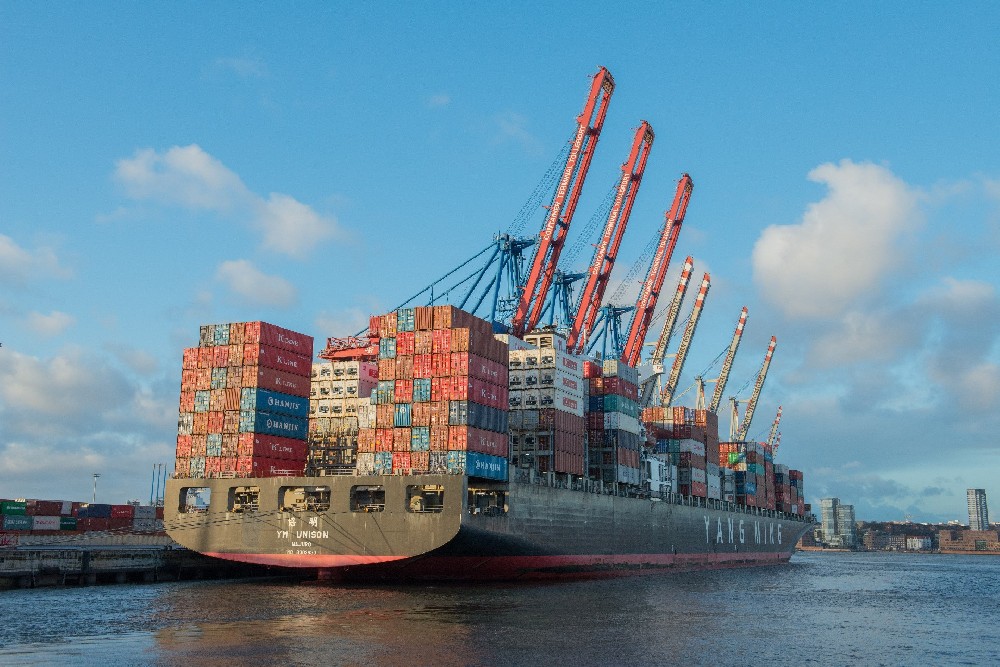
or . So we'll need to only use
, , , , etc. Each paragraph is enclosed by
etc.
2. 拼箱(LCL):如果单次货量不足一柜,可选择拼箱与其他货物合用同一柜子,按体积或重量计费。拼箱的缺点是需 要在目的港拆箱分拣,时效略慢 2‑5 天,但成本相对灵活,适合小批量测款或补货。
3. 海派(海运+尾程派送):部分物流商提供“门到门双清包税”服务,即从国内提货、出口清关、海运、目的港清关、 最后一段卡车直送德国FBA仓库。海派的优势是卖家只需把货交给物流商,后续全部由对方处理,省去自行找报关行、拖车等环节。凯琦供应链在欧洲提供24国门到门服务,配备专业报关团队,查验率低于3%,并提供超时赔付和丢件包赔。
which is not allowed. The instruction says only use
. So cannot use
. I must avoid any line breaks within paragraphs; just use normal text with punctuation to separate points, no
. But we need to separate points. Could use numbering within paragraph but avoid extra tags. That's okay: we can embed numbered list as textual like "(1)" or "一". That is within plain text. That's okay.
. Use Chinese punctuation like ";" or ",". Use "1. " but that's plain text. Ensure no HTML tags except and
tags. Use plain text.or
. So use plain text with punctuation.